
A lidded food scraps caddy
For the counter, not the garden. A small sealed bin you can empty daily or every second day is what makes composting food scraps at home feel ordinary instead of like a chore.
about 5 litres
Get in touch
+44 20 7946 0821 [email protected]42 Bramley Road, London, N14 4HR, United Kingdom
Monday to Friday, 9:00 AM – 6:00 PM; Saturday, 10:00 AM – 2:00 PM
A beginner's route into zero waste living, one ordinary week at a time
This page is for the household that wants to begin but keeps putting it off. There is no single correct kit, and you do not need to buy anything on day one.
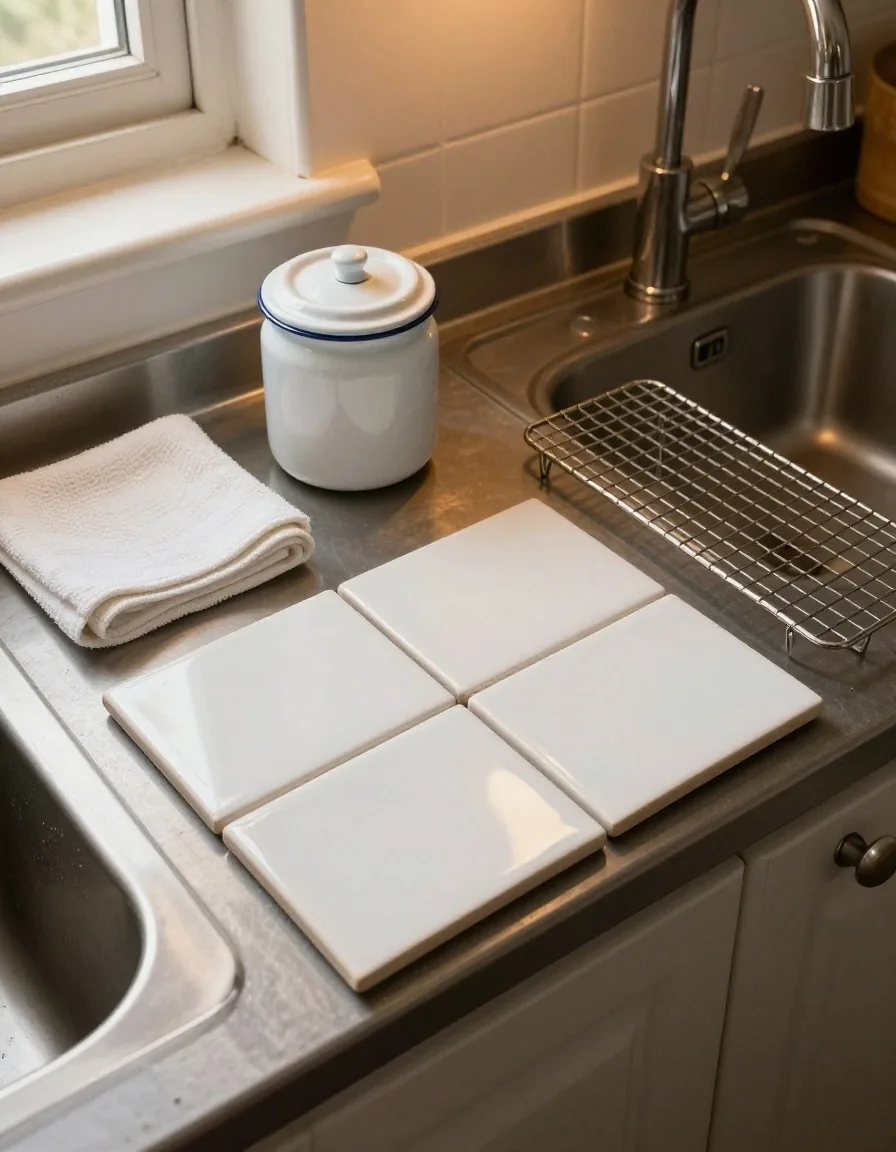
One week of looking is worth more than a shelf of new gear.
Before buying a single item, look at your bin for one week. Note what fills it. For most UK homes it is food scraps, soft plastic film, and drink containers, in that order. This short audit tells you where to aim first, so you are not solving a problem you do not have.
Write it down on the fridge if it helps. A sheet of paper taped above the bin is enough — the lines you end up with are your starter kit's shopping list, and they are specific to your kitchen rather than to a checklist somebody else wrote. If you have ever tried to follow a low waste home guide and lost momentum, this is usually the step that was skipped.
Three lines are plenty. If your general waste is mostly packaging from one shop, that is your target. If it is mostly peelings and plate scrapings, the food caddy comes first and the rest can wait.
A zero waste starter kit is small on purpose. Five items cover most of a week's waste; everything else can wait until you notice a gap.
For the counter, not the garden. A small sealed bin you can empty daily or every second day is what makes composting food scraps at home feel ordinary instead of like a chore.
about 5 litres
They only work if they live by the door. A folded tote in the bag you already carry beats a drawer of them at home — this is the whole reusable produce bags guide in one sentence.
by the door, not the drawer
Dry goods and leftovers. You probably own four already. Matching lids are not the point; if you want a project later, how to upcycle glass jars starts exactly here.
clean, dry, lid intact
For covering bowls and cut halves of vegetables, replacing cling film on the jobs it was never good at. Beeswax wraps usage and care is simple: warm hands to seal, cool water to wash, never hot.
keep clear of heat
The fifth item is deliberately free. If you own a bottle, that is your bottle. Most plastic free alternatives are already in the cupboard, and the fastest way to reduce household waste is to spend nothing this week and notice what actually runs out.
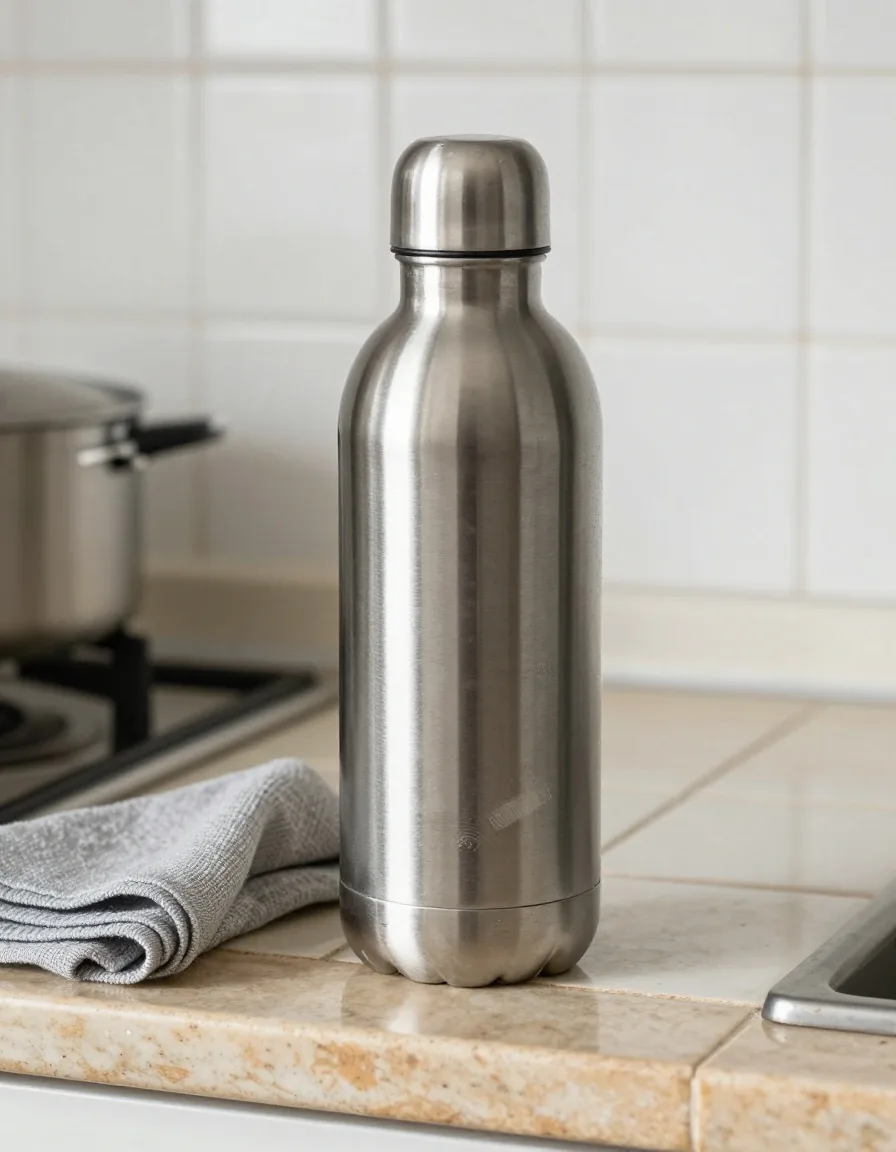
You do not need matching glass containers, a full set of refill bottles, or a compost system before you have started. Those purchases often precede the habit and then sit unused.
Skip them until the routine creates the need. Sustainable lifestyle habits come from repetition, not from a complete shelf of gear — and the box of things nobody uses is a bigger waste than the thing you did not buy.
There is a second reason to hold back. A kitchen that slowly replaces what it uses tends to keep the changes; a kitchen that arrives fully equipped on a Saturday often reverts by the following month. Zero waste tips for beginners work best when they are few and repeated.
Each step is small on purpose. If a week gets missed, pick it up the next one rather than restarting.
Week one: put the caddy on the counter and empty it on a fixed day. A regular day matters more than a clever container.
Week two: as dry goods run out, decant them into jars you already own. Do not empty the cupboard on day one.
Week three: take bags and a bottle on every shop, including the quick ones. That is where the plastic comes from.
Week four: try one upcycling project with something you were about to bin. Simple upcycling projects are enough — a jar, a shirt, a box.
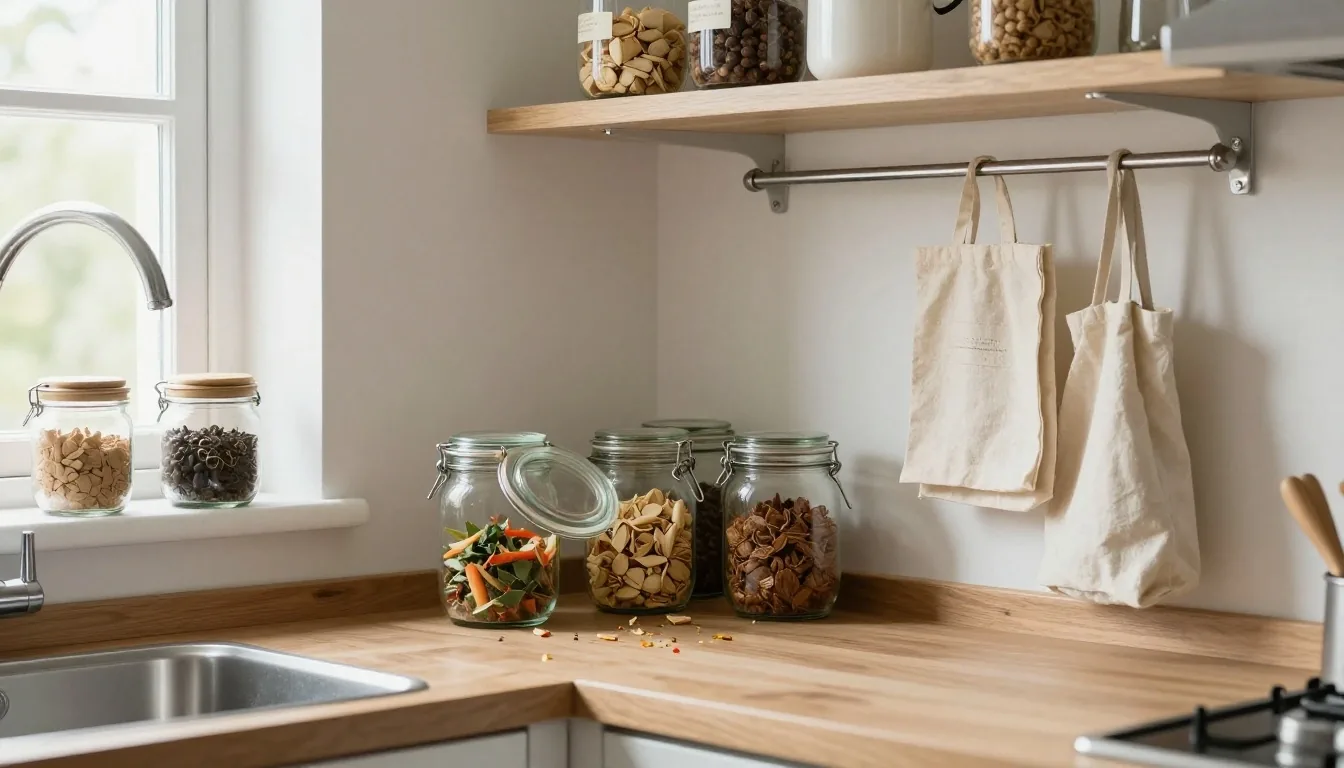
A working kitchen partway through the four weeks: caddy in use, jars refilled as things run out, bags back where they belong.
Most UK councils now collect food waste separately, and many accept more than residents assume. Check your local rules before buying an indoor compost bin, because a kerbside collection may already do the job.
Council guidance also lists what can and cannot go in recycling, and that list changes by area — a container accepted ten miles away may be refused in your borough. A five-minute check on your council's own pages saves a wasted purchase and a wasted journey to the tip.
Worth knowing too: upcycling and recycling are not the same thing. Recycling breaks an item down and rebuilds it into something new; upcycling keeps the item as it is and gives it a better job. If a jar can be a jar, that is the shorter route.
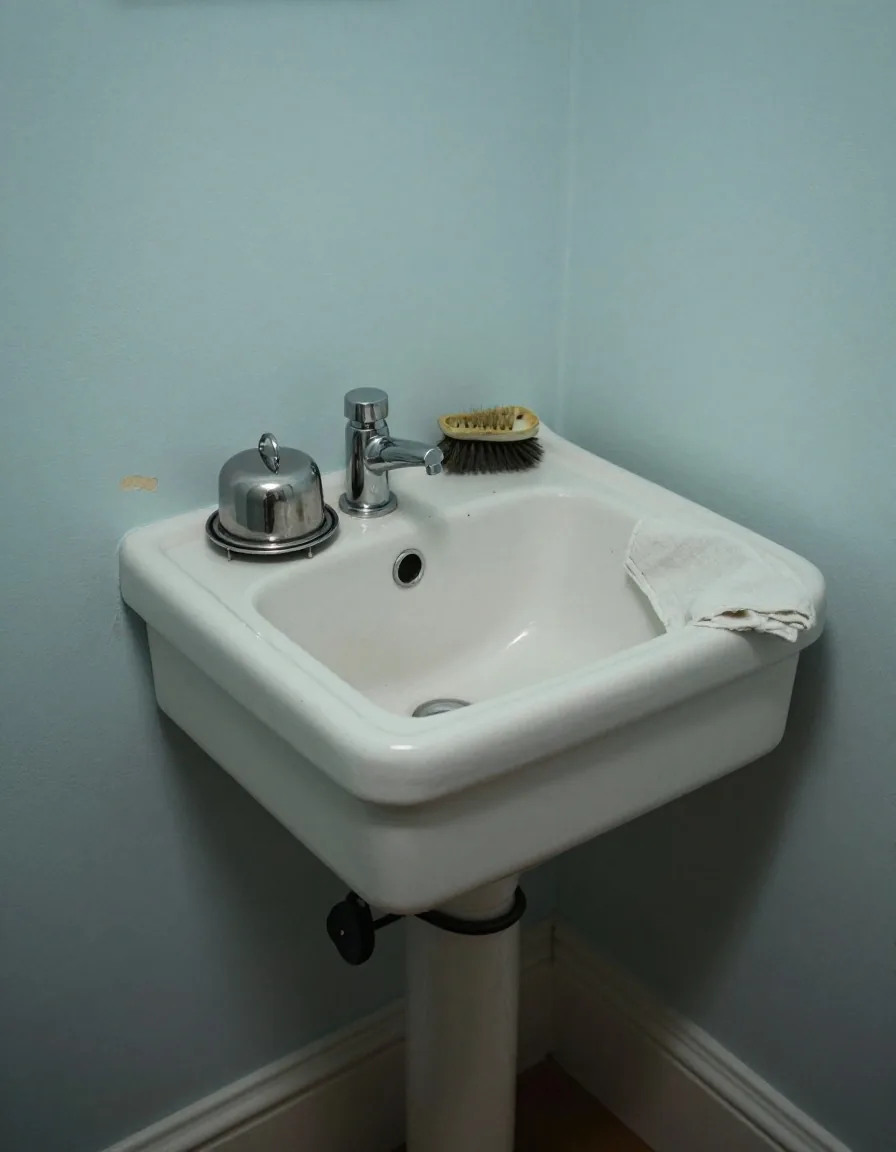
Cleaning one jar properly takes a minute and saves buying another container.
Keep the kit behind the habit, never in front of it.
You do not need an app or a spreadsheet. A quick glance at the bin before collection tells you whether things are improving.
If the general waste is lighter and the food caddy is fuller, you are on track. If nothing has changed, revisit the first week's list and pick a different target. Adjusting is normal, and it is not a sign the kit failed.
After a month or two, gaps become obvious. Maybe you keep running out of jars, or the wraps wear out, or you want a refill container for oil.
Add one item at a time and only to solve a specific, repeated problem. This keeps spending low and avoids the drawer of unused eco gadgets. If a second caddy would genuinely help, buy one; if the draw of a new container is just the pleasure of shopping, wait a fortnight.
Once the basics are running, four pages carry the rest of the work. Read them in this order if you are working through the site, or jump to whichever matches your week.
Short answers to the four things beginners ask most.
As little as possible. Most homes already own bags, jars, and a bottle. Spend only to replace something finished or to solve a problem you keep hitting.
Yes. Keep your caddy and jars on your own shelf, and agree a simple rule with housemates about where food scraps go. Shared kitchens usually just need one clear spot.
Use a sealed indoor bin or a small worm bin, or take scraps to a community compost scheme if one is nearby. The composting page covers these options.
No. Buying a refill or a reusable item is fine when it replaces a disposable you use often. The point is reducing waste, not doing everything by hand.
Tell us which room is giving you trouble and we will point you at the guide that fits. Rethink & Reuse is an editorial resource for UK households — guides, comparisons and step-by-step suggestions, with no shop to sell you a kit you do not need yet.
Monday to Friday, 9:00 AM – 6:00 PM. Saturday, 10:00 AM – 2:00 PM.