
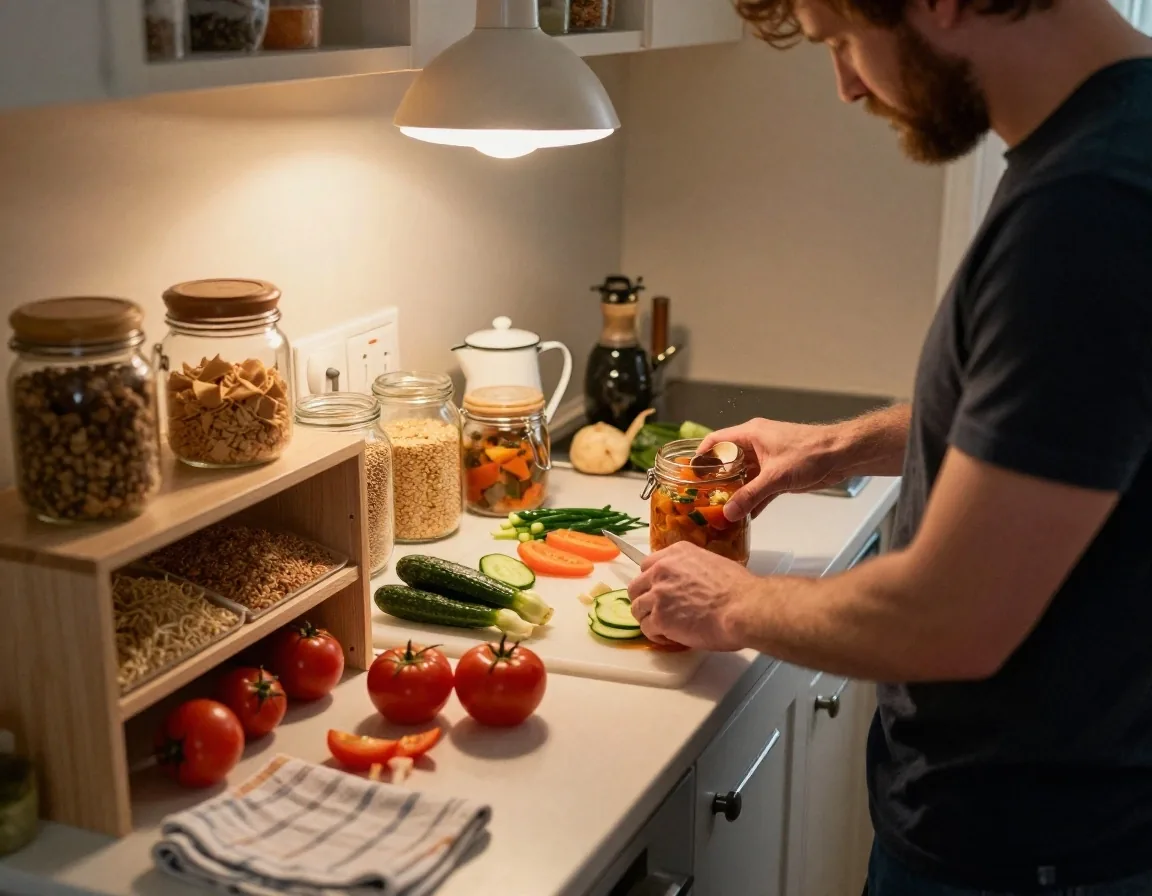
We cook at home
Recipes, batch cooking and a small freezer are where most of our own food waste decisions happen, so kitchen guides get tested in a working kitchen rather than on a spreadsheet.
Get in touch
+44 20 7946 0821 [email protected]42 Bramley Road, London, N14 4HR, United Kingdom
Monday to Friday, 9:00 AM – 6:00 PM; Saturday, 10:00 AM – 2:00 PM
About the editorial desk
An independent editorial resource for UK households working to waste less — zero waste living, upcycling and the everyday habits that keep things out of the bin.
Flats, rentals, no garden
Most zero waste advice online assumes a lot: a house, a garden, a car, spare cash, and time. That leaves out a large share of UK households, particularly renters and people in flats.
Rethink & Reuse exists to close that gap with advice that works in ordinary homes. We focus on the changes with the biggest effect and the least fuss — eco friendly living ideas you can start on a Tuesday evening without buying anything new. A swap suggestion that needs a chest freezer, a garden bed or a landlord's permission is not much use if you rent a one-bedroom flat, and we try to say so before you get halfway down the page.
That also shapes which sustainable lifestyle habits we cover. Steady, repeated actions — what you buy, what you store food in, what you do with the jar once it is empty — matter more across a year than a single dramatic clear-out.
Advice that works on the fourth floor, not just in a garden with a compost heap.
A small editorial team, different homes, one shared habit of looking in the bin.
Recipes, batch cooking and a small freezer are where most of our own food waste decisions happen, so kitchen guides get tested in a working kitchen rather than on a spreadsheet.
Some of us have a landlord, a fixed kitchen and no permission to drill. Others have a shed and a garden. Where housing limits a suggestion, the guide says so instead of quietly assuming a house.
A composting tip that works with a garden does not always work on a fourth-floor flat, and kerbside collection rules differ from council to council. That range is exactly why we write down where a suggestion stops working.
Four habits hold every guide together. None of them are clever; all of them take time.
Advice goes stale. Council collections change, product care instructions are revised, and refill shops open and close. We revisit pages when something material changes and update the text rather than leaving a tidy archive to rot.
If you spot something out of date, the contact page is the fastest way to tell us. Corrections are welcome and acted on — a wrong detail in a low waste home guide costs someone a wasted trip.
Contact the editorial team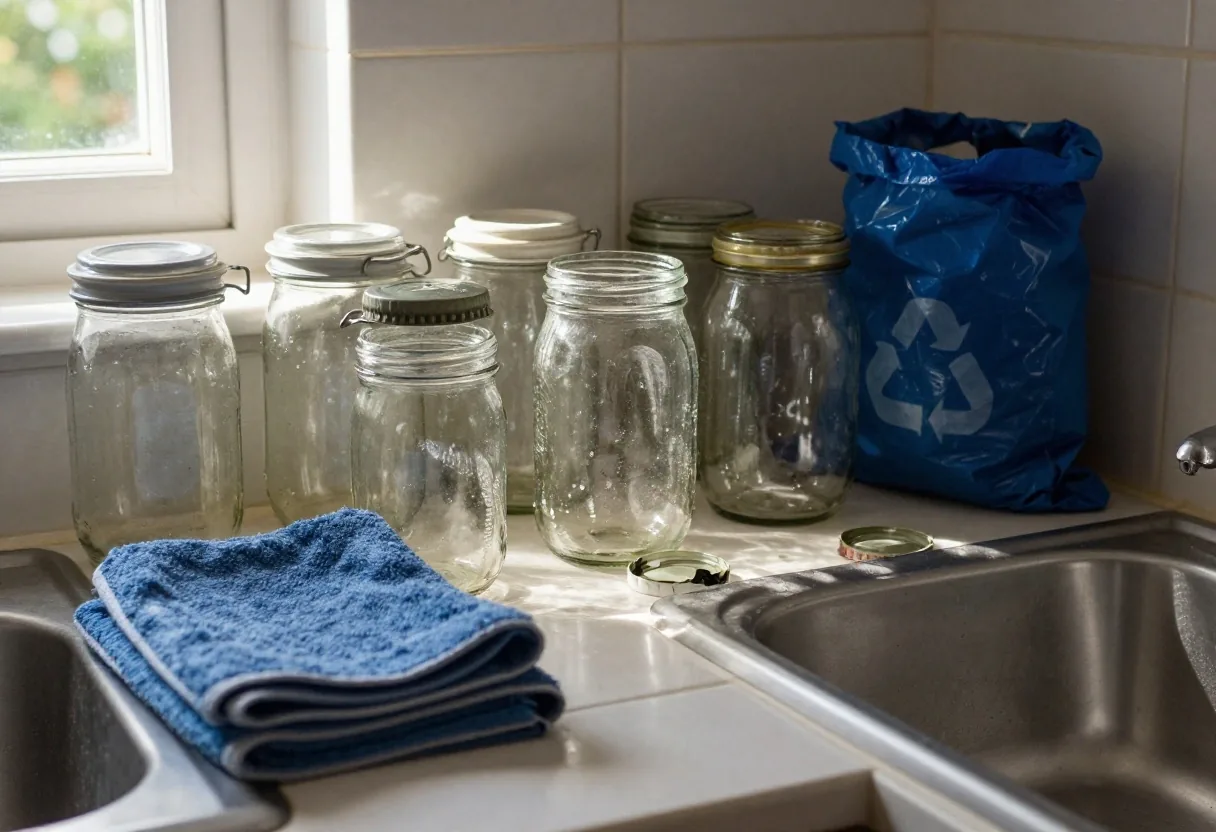
Display advertising pays for the hosting, the photography and the hours that go into checking a guide before it goes live. Ads never decide which swaps we cover.
Where a guide links to a shop, the link is marked at the point of use and we may earn a small commission. It costs you nothing and it does not change the recommendation.
No payment buys a place inside a guide. A product is mentioned because it solves a problem the guide is about. If this policy ever changes, it will be stated on the page, not buried in a footer.
Worth knowing before you take our word for anything — including where our limits are.
No. We are an editorial resource. There is no basket, no own-brand range and no consultation service. When a guide mentions a beeswax wrap or a reusable produce bag, it is a suggestion you can buy anywhere, and one of our aims is that you can often make or substitute it instead.
No, and we would be suspicious of anyone who did. Household waste depends on your habits, your building and your local collection. What we can do is explain how a swap works, what it costs in time, and where it tends to fall over — then leave the judgement with you.
We do not claim any we do not hold, and we do not display badges to look official. This is a small editorial site with a named contact address and a corrections route, and that is the whole of our standing.
That is useful information rather than a failure. Tell us what happened — the fridge that made the wraps brittle, the flat with nowhere to keep a caddy — and it usually improves the next version of the guide.
The best guide ideas come from readers. If you have hit a specific problem — how to compost in a rented flat, what to do with a particular material, how to buy in bulk when the nearest refill shop is a bus ride away — send it through the contact page. We read every message and often work suggestions into upcoming pages.
The site grows around real questions rather than keyword lists, which is why so much of it reads like a specific answer to a specific household.
Suggest a topicNew readers usually start with the Zero Waste Starter Kit, then move to the kitchen swaps page for the highest-impact room. The upcycling, shopping and composting pages fill in the rest. Sustainable lifestyle habits build over months rather than a weekend, so take the guides at your own pace and in any order you like.
If you are new to this, the starter kit is the shortest route into zero waste living. If you have a question the guides do not answer, the editorial team reads the inbox Monday to Friday.
Email [email protected] or call +44 20 7946 0821. We are at 42 Bramley Road, London, N14 4HR, and the desk is staffed Monday to Friday, 9:00 AM – 6:00 PM, and Saturday, 10:00 AM – 2:00 PM.
Waste less, in the house you actually live in.