Rethink & Reuse Rethink & Reuse

A working kitchen guide from our editors

Start zero waste living at home

Practical guides on kitchen swaps, upcycling, composting and shopping habits that fit ordinary UK homes, rented flats and busy weeks.

A UK kitchen worktop with a kettle, an enamel jar and a folded cloth in afternoon light

Kitchen first: it is where most household waste starts.

Where most household waste actually comes from

In a typical UK home the kitchen bin fills fastest. Food scraps, packaging film and drink containers make up the bulk of what goes out each week, which is good news: a handful of changes in one room shifts the whole routine. Our low waste home guide begins in the kitchen for exactly that reason.

Food scraps

Peelings, coffee grounds and plate scrapings from a normal cooking week.

Packaging film

Wrappers and trays that arrive with groceries and rarely get a second use.

Drink containers

Bottles, cans and cartons that pile up between collections.

Once food waste and single-use packaging drop, the rest of the house gets easier to tackle. Bathroom bottles and bedroom clutter are real, but they do not move the needle the way one kitchen shelf does.

Pick one swap, not ten

Beginners often overhaul everything in a weekend, then burn out by Wednesday. Choose a single swap and repeat it until it becomes automatic. One change held for a month beats five abandoned in a week, and that slower pace is what our zero waste tips for beginners are built around.

These four starting points each take a real week to become habit:

What changes first in a kitchen

The simplest starting points cost nothing. These are zero waste kitchen swaps that quietly fold plastic free alternatives into your week without a shopping trip.

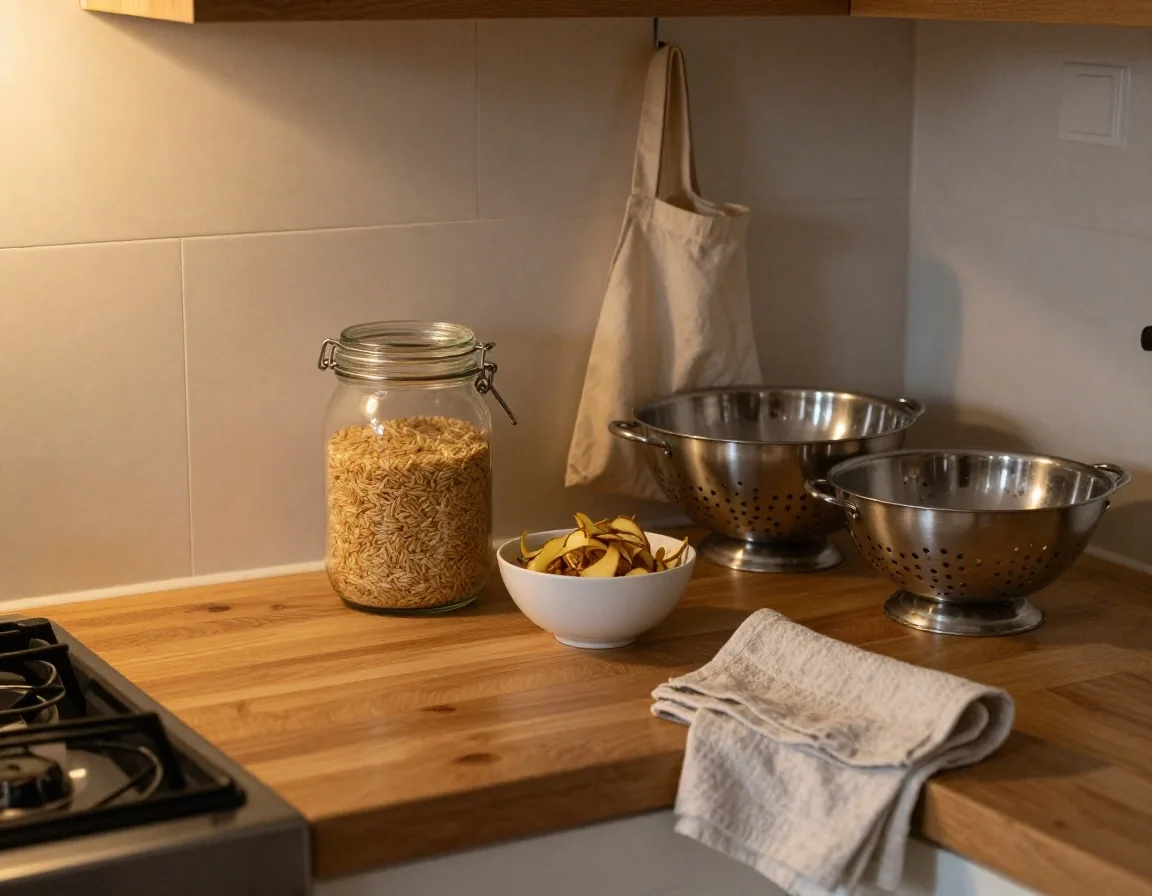
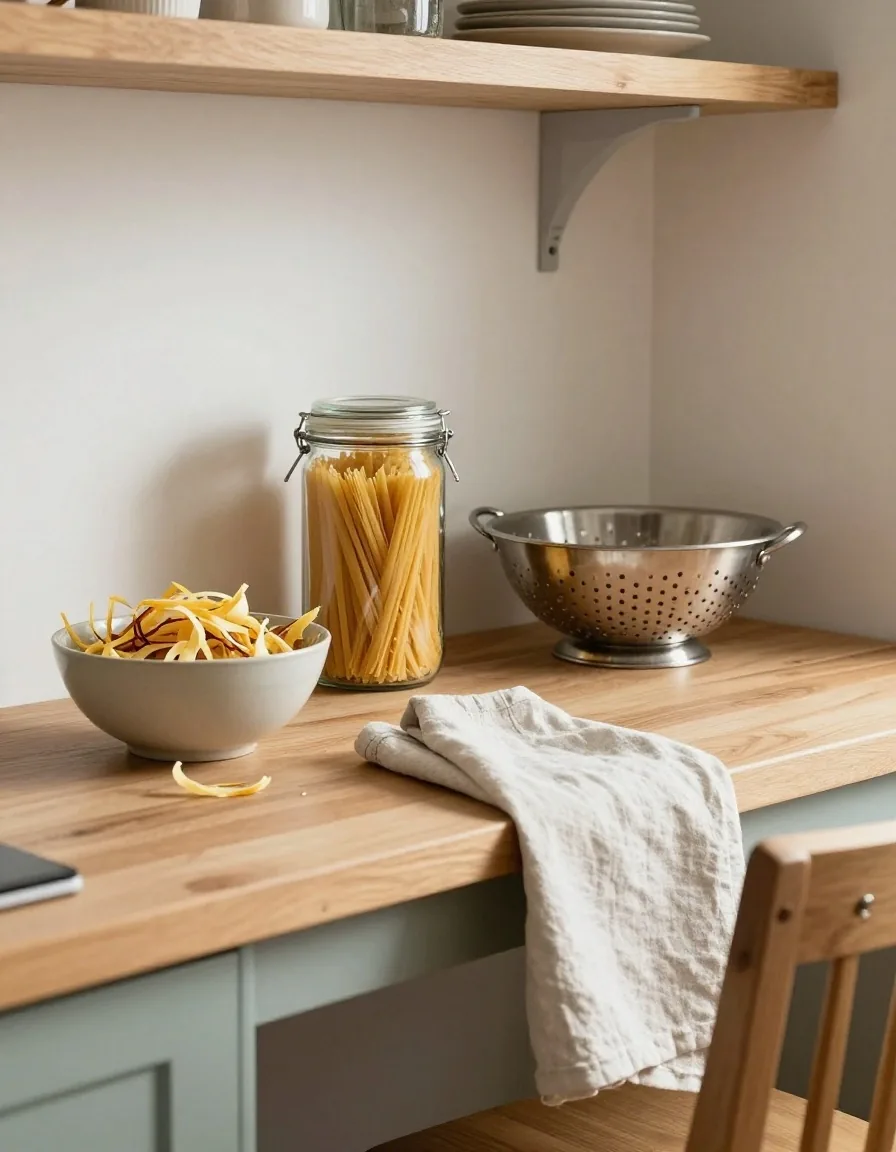
An overhead view of a worktop with a jar of dried pasta, a bowl of peelings and a spoon

Begin with what you already own

Keep a bowl for vegetable peelings and coffee grounds. Move dry goods into jars from your own cupboard instead of buying new containers. Put a reusable bag by the front door so it actually leaves the house with you. None of this needs a purchase, and each one cuts a small stream of waste at the point where it would have been created.

Then replace, not expand

When you do buy, buy to replace something you have run out of. A refill of the washing-up liquid, a new beeswax wrap once the old one has worn thin, a second produce bag because the first is in the wash. Buying a full zero waste starter kit on day one is the most expensive and least durable way in.

  • Reusable produce bags replace the thin rolls by the fruit and veg.
  • Beeswax wraps cover bowls and sandwiches instead of cling film, and with basic care they last about a year.
  • Bulk-buy dry staples in the largest pack you will realistically finish.
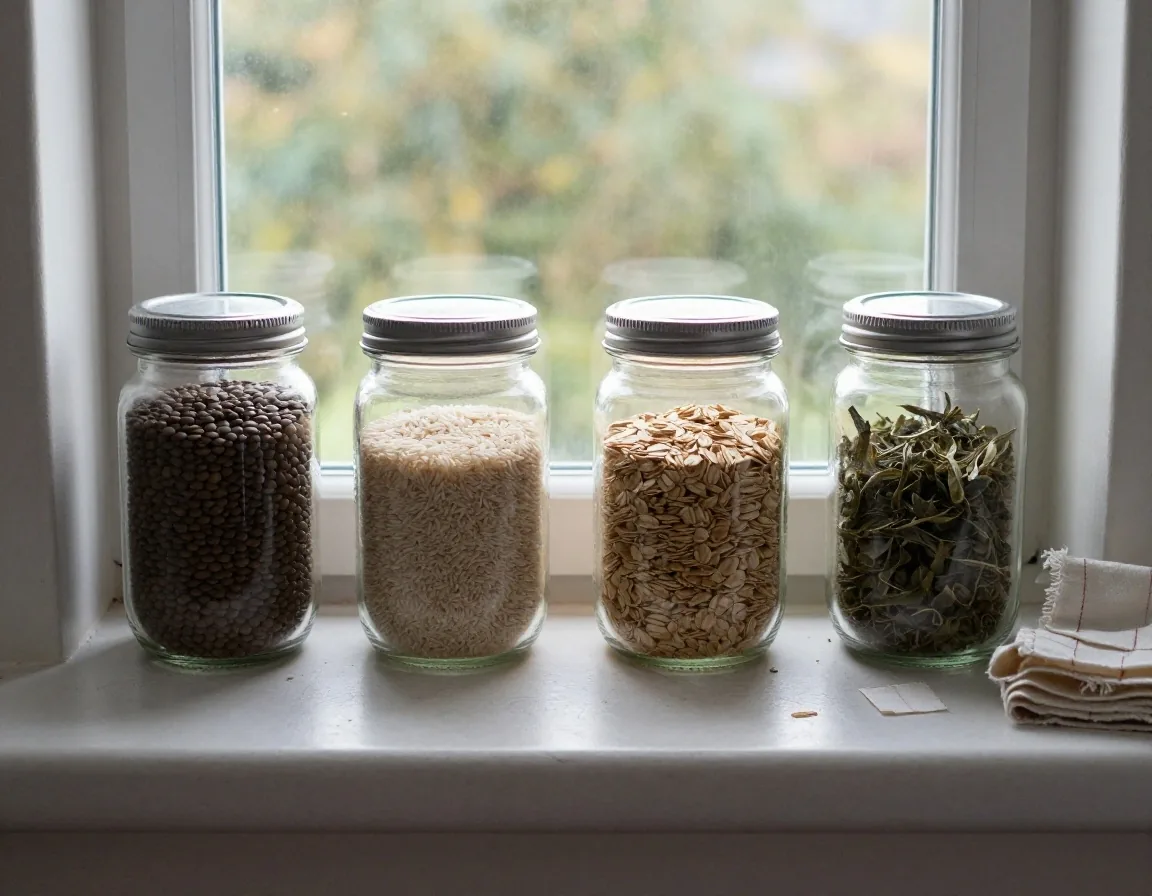
Reused glass jars of lentils, rice and oats on a worktop beside folded cloths cut from an old shirt

Upcycling is not the same as recycling

Recycling sends material away to be reprocessed. Upcycling keeps an item in use, often for a new purpose, without breaking it down first. The upcycling vs recycling difference matters because upcycling usually costs less energy and gives you something back immediately.

A glass jar becomes a spice container. A worn shirt becomes cleaning cloths or a tote bag. Simple upcycling projects like these take under an hour and need nothing you would have to order. For builds that go a little further, our creative upcycling ideas page covers how to upcycle glass jars, repurposing old clothes, and upcycled home decor DIY that suits rented rooms.

See upcycling projects

Composting

What to do with food scraps when there is no garden outside.

Composting without a garden

You do not need outdoor space to keep food scraps out of the bin. A small countertop caddy with a lid handles daily peelings. A sealed bokashi or worm bin can sit in a flat without a smell if you keep it closed and empty it on schedule. If your council runs a food waste collection, that is the easiest route of all and costs nothing.

Composting food scraps at home turns a waste problem into soil, or at minimum into a lighter general-waste bin that you put out less often. The trade-off is time: a worm bin needs a few minutes a week, a caddy needs emptying every two or three days, and a council collection needs you to remember the night before.

If you rent, check whether the bin can live under the sink or on a balcony before buying anything. Most landlord restrictions do not block a sealed indoor bin, but the space you have usually decides the method. Our composting page sets out the options by space and weekly effort.

Learn composting at home

Shopping habits that reduce packaging

Most packaging arrives with groceries, so the biggest gains come from how you shop rather than what you buy. Buying in bulk where it is available, choosing refill stations when they are nearby, and picking the largest pack you will realistically finish all reduce wrapping. None of it requires a special trip.

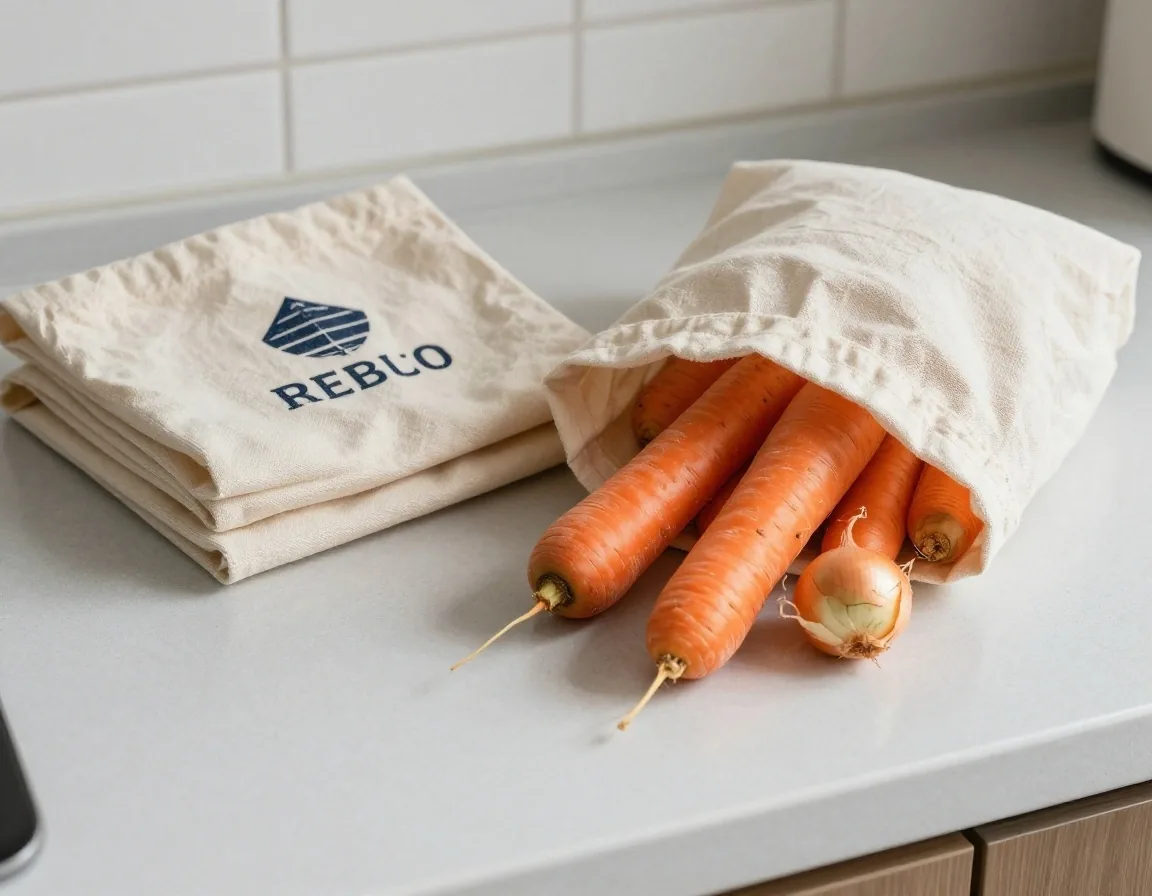
A cloth produce bag filled with loose carrots and onions beside a folded second bag

Reusable produce bags

A reusable produce bags guide starts with two or three cloth bags, not a set of ten. Keep them inside your shopping bag so they travel together, and wash them with the towels.

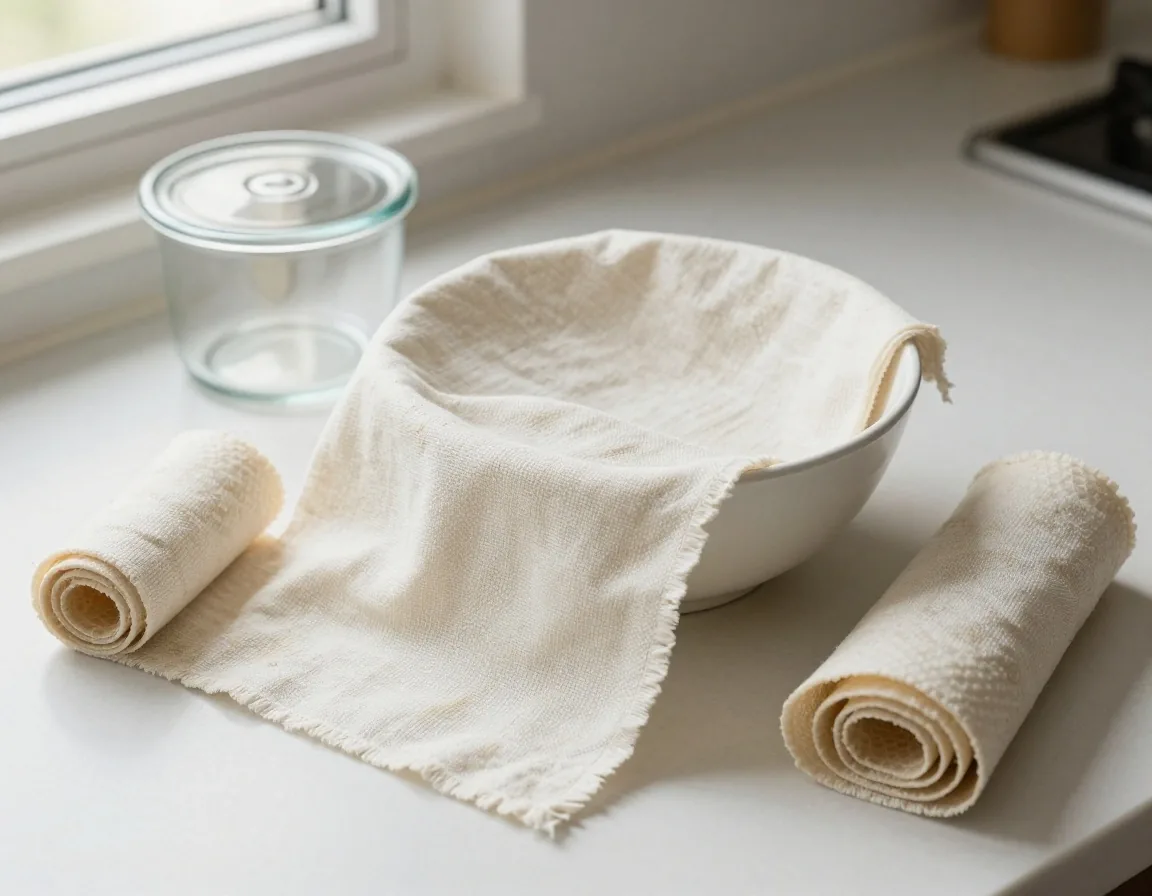
A beeswax wrap covering a bowl of salad beside a folded second wrap and a glass container

Beeswax wraps

Caring for beeswax wraps is simple: cool water, mild soap, air dry. Treated that way they last about a year, then go on the compost heap rather than in the bin.

Buying in bulk

Learning how to buy in bulk is less about a warehouse club and more about arithmetic: a bigger pack saves plastic only if you finish it before it spoils. Split large packs into jars the day you get home.

  • Refill stations suit oils, grains, cleaning liquid and shampoo.
  • Loose fruit and veg carry no tray, film or label.
Sustainable shopping and bulk buying

Some things genuinely reach the end. Worn-out textiles, broken ceramics and mixed-material packaging often cannot be upcycled or composted, and the honest move is to dispose of them properly and note what to avoid buying next time.

Zero waste living is not about a perfectly empty bin. It is about reducing what you send to landfill, and being realistic when something is finished.

For renters and small flats

You do not need to own your home to waste less. Renters can compost with a sealed indoor bin, use refill shops on the high street, and upcycle furniture that came with the flat. Landlord restrictions rarely block these moves. We flag when a tip suits a house with a garden and when it works in a one-bedroom flat, because the advice genuinely differs.

The sustainable home essentials worth owning are usually the boring ones: one good caddy, a few jars, two cloth bags, a stack of cloths. Buy them as replacements, one at a time.

What this site is and is not

Rethink & Reuse is written by an editorial team, not a shop. We do not sell products and we do not run sponsored placements inside guides. Where we mention a tool or material, it is because it solves a specific problem, not because someone paid for the mention.

If a swap costs money, we say so. If a tip only works in certain housing, we say that too. Guides are revised when advice changes, such as council collection rules or common product care instructions, and you can suggest a topic or flag an error through the contact page.

Reading the guides in order

If you are new, the Zero Waste Starter Kit is the natural first stop. It sets out a beginner routine you can follow over a few weeks. From there, move to kitchen swaps for the highest-impact room, then upcycling for the items you would otherwise bin. Composting and shopping fill in the rest, and you can jump straight to whichever page matches your current problem.

A few weeks

Zero Waste Starter Kit

A beginner routine covering one swap a week, what to skip and how to tell whether it is sticking.

Read the Zero Waste Starter Kit

One room

Kitchen Swaps & Plastic Free Storage

Plastic free food storage, eco friendly kitchen cleaning and the swaps that pay back fastest.

Browse kitchen swaps

Under an hour

Upcycling Projects & Ideas

Simple upcycling projects reusing everyday items, from glass jars to old clothes and flat furniture.

See upcycling projects

Habits that hold up over a year

The changes that last tend to be the boring ones. A set shopping list. A jar collection on one shelf. A caddy emptied on a schedule. Sustainable lifestyle habits survive because they fit a routine you already have rather than replacing it.

Review what you changed every few months and drop anything that creates more work than it saves. Progress that sticks is rarely dramatic.

Our editorial team reads every message sent through the contact page, including topic suggestions and corrections.

Questions people ask before starting

Do I need to buy special containers to start?

No. Most beginners already own usable jars, tubs and bags. Buy only to replace something you have finished, and only when a container solves a real problem.

Is zero waste living expensive?

It can be if you buy a full kit at once. The cheaper route is to swap one thing at a time, reuse what you already have, and buy refills rather than new packaging.

I live in a flat with no garden. Can I still compost?

Yes. A sealed indoor bin or a council food waste collection keeps scraps out of the general waste. You do not need outdoor space to start.

What is the difference between upcycling and recycling?

Recycling breaks material down to make something new. Upcycling keeps the item intact and gives it a new use, usually with less energy and more immediate payoff.

Start with one swap this week

Our eco friendly living ideas page builds on what a real kitchen can absorb. If you have a question about a method, or a swap that only works in certain housing, tell us through the contact page — we read every message and revise guides when advice changes.

42 Bramley Road, London N14 4HR · Mon–Fri 9:00–18:00, Sat 10:00–14:00